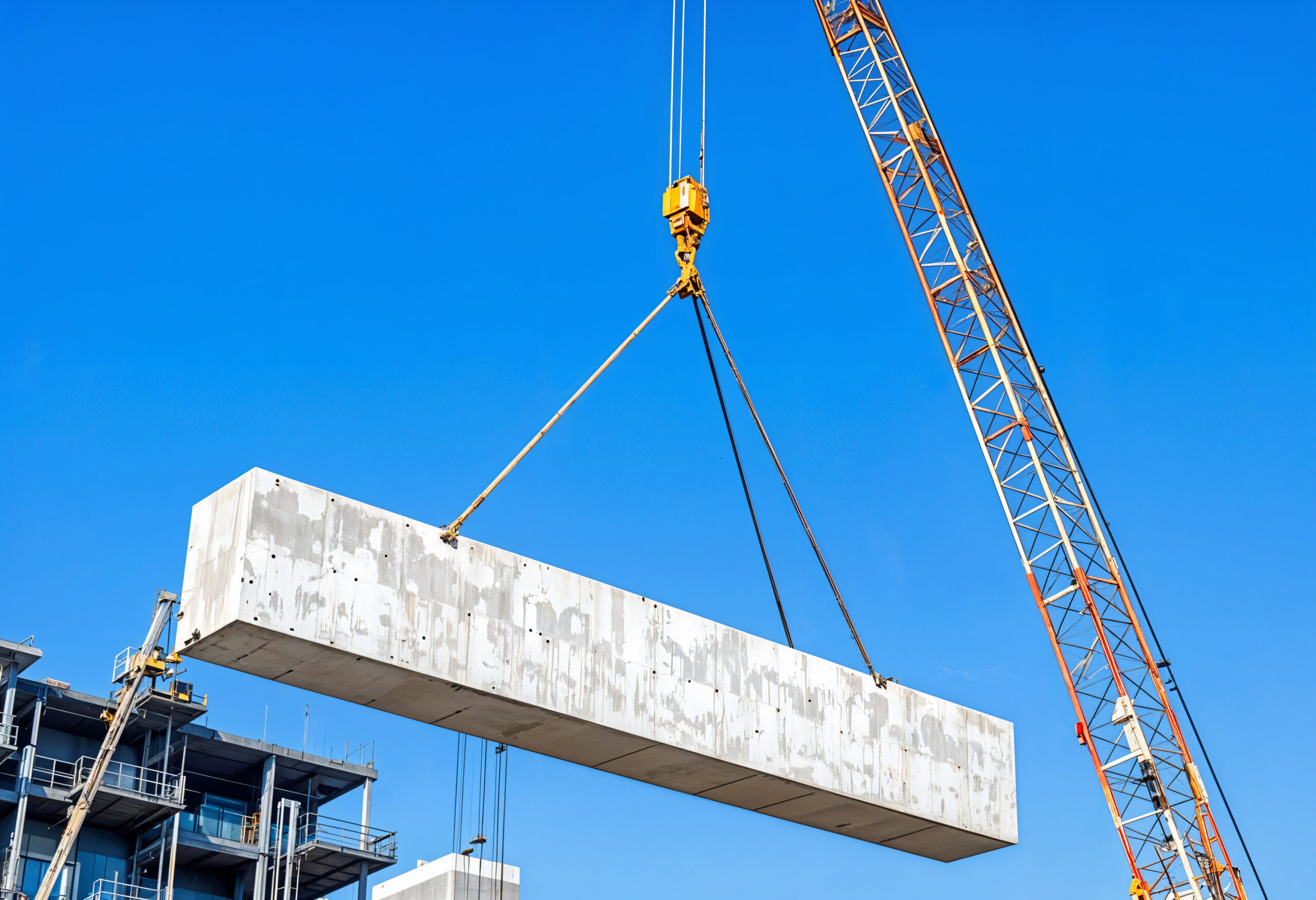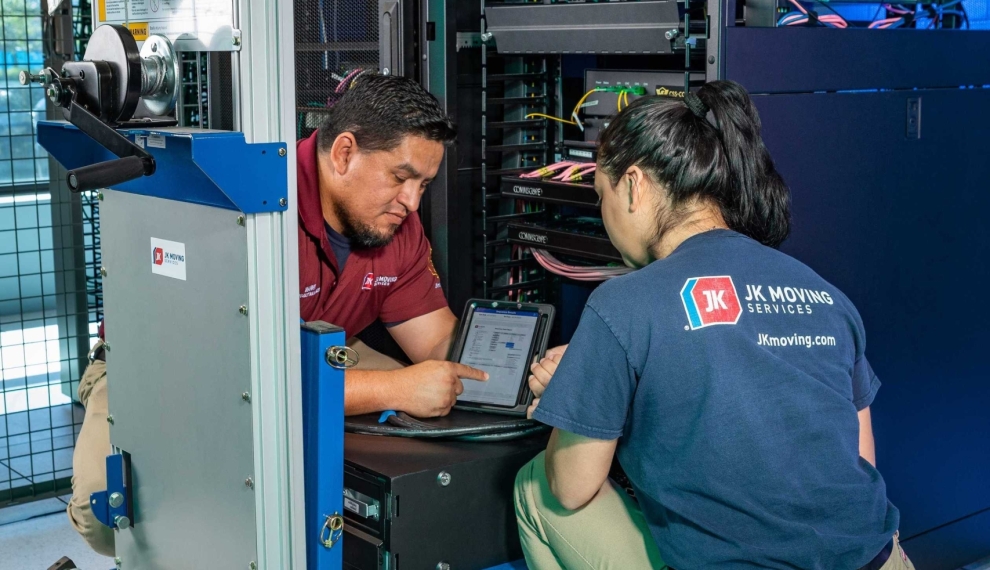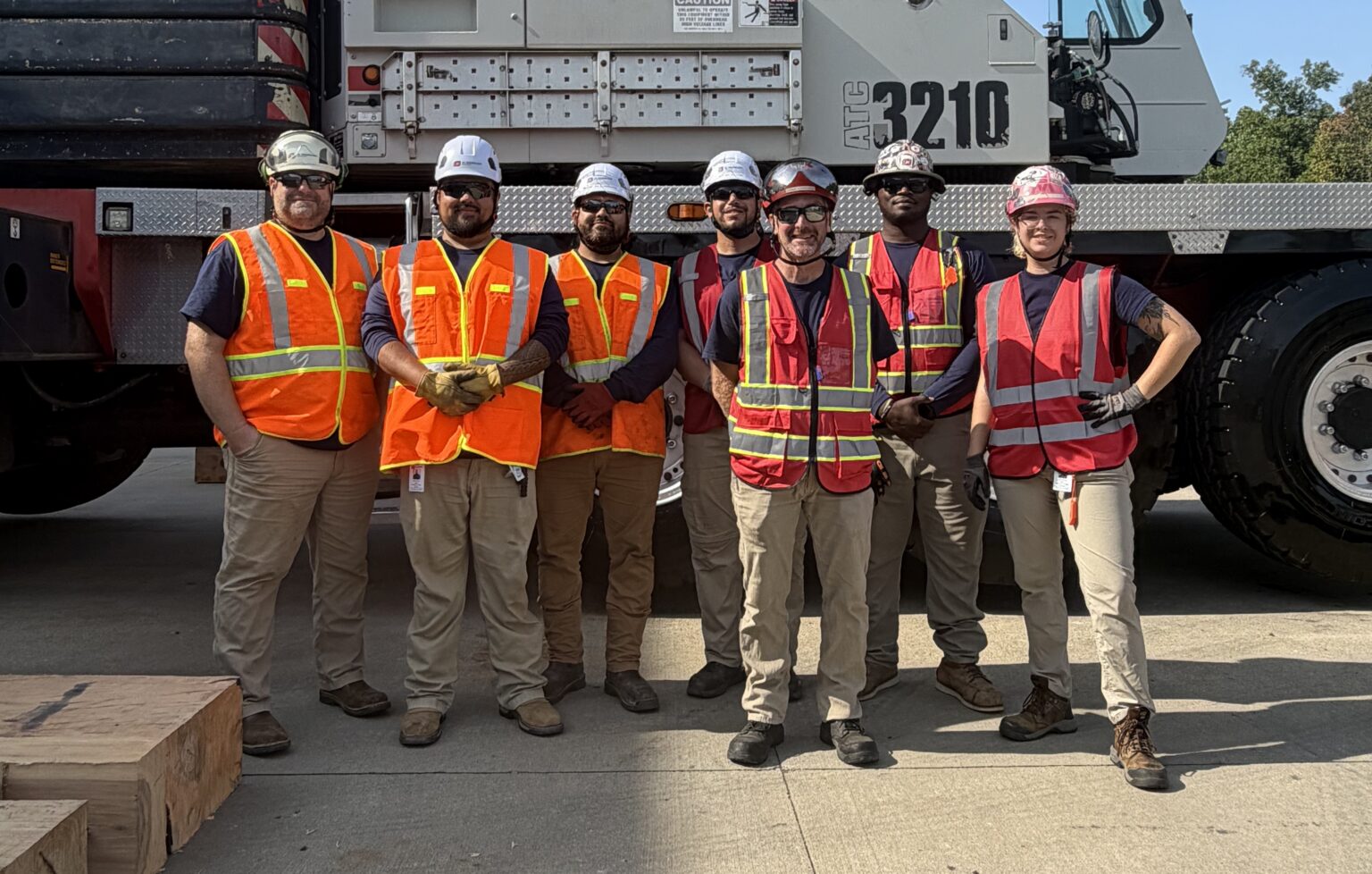
Every industrial expansion, plant relocation, and equipment installation eventually depends on industrial rigging crews who know how to move enormous loads through unforgiving spaces, but qualified riggers are difficult to find – partly because potential recruits do not always recognize the trade as a technical career.
From a distance, the work can resemble ordinary moving on a larger scale: A crane arrives, a crew connects the load, and a heavy machine changes location. What’s missing from the picture is judgment developed through years of field experience under conditions that test concentration as much as strength.
The labor market offers little margin for misunderstanding the job. The U.S. Bureau of Labor Statistics projects rigger employment will increase from 22,500 positions in 2025 to 23,400 in 2035, with about 1,700 openings each year as employers add jobs and replace people who leave the occupation.
The shortage extends across the construction trades – a 2026 survey from the Associated General Contractors of America and the National Center for Construction Education and Research found 88% of firms with craft openings said those positions were as difficult or more difficult to fill than they had been a year earlier.
Those figures describe demand without explaining the thin recruiting pipeline. Industrial rigging draws on mechanical aptitude, spatial reasoning, communication, and sound decisions around unforgiving equipment, yet it is easily mistaken for general labor. The perception gap affects prospective tradespeople and customers evaluating whether a provider has enough depth for a complicated move.
Industrial rigging demands more than strength
Physical resilience is a core element of rigging, with crews working in difficult weather, noisy plants, confined spaces, and awkward positions, often around a narrow shutdown or production window. Much of the day is spent checking equipment, adjusting connections, and preparing a path one deliberate step at a time.
This can make early assignments intimidating, particularly when a new rigger first works close to a suspended load. The people who develop tend to be those willing to listen, ask questions, and keep learning while the surroundings remain unfamiliar and uncomfortable.
However, strength alone doesn’t qualify anyone to direct a load. A rigger may need to confirm weight and center of gravity, select attachment points, calculate how sling angles affect force, and verify hardware capacity. Listed weights can omit tooling, attachments, residual material, or later modifications, and a convenient lifting point may be unsuitable for the actual load.
There’s significant mental strength at work as well – slings, shackles, spreader beams, hoists, jacks, skates, gantries, and cranes solve different problems, and safe use depends on configuration as well as capacity.
The federal O*NET profile for riggers includes aligning machinery, testing rigging, selecting gear, signaling operators, and controlling movement. Experienced riggers coordinate those tasks across the site and stop when field conditions depart from the plan.
A desk and a multi-ton pick
The contrast with an office move becomes clear once the consequences of an error are considered. Consider a desk: visible dimensions, accessible handholds, and modest weight, with workers maintaining direct contact throughout the move.
Moving industrial equipment is another beast – hidden weight, uneven distribution, stored energy, and tight tolerances. Its route may pass through a doorway, beneath a pipe rack, or across a floor with limited capacity. Turning the machine changes clearances and forces on the rigging, while a fraction of an inch can determine whether it clears an obstruction.
Meanwhile, business exposure grows with the physical risk. A mishandled production machine can injure workers, damage a facility, and interrupt operations. Customers rely on the crew to spot conditions the drawings missed, protect the equipment, and recognize when the original plan needs revision.
Field time builds better planners
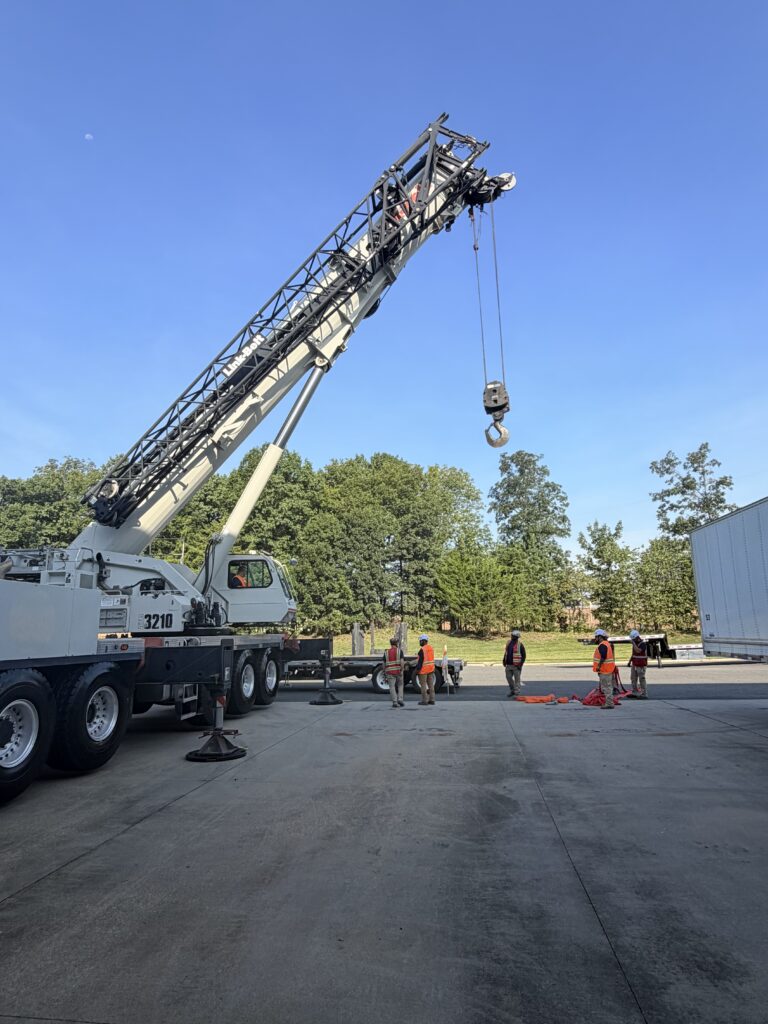
The labor gap can tempt employers to move promising workers into estimating, supervision, or project management quickly. Although advancement matters, acceleration without enough field time creates weakness elsewhere. A manager who understands schedules and budgets but has limited rigging experience may overlook details that determine whether the scope can be executed.
Measurements offer a prime example: Opening dimensions alone do not establish that a machine can pass through; planners must account for door hardware, wall projections, overhead obstructions, rigging placement, rotation, and equipment removal. Uneven grade, restricted crane access, or a pipe run added after the drawings were issued can alter the entire method.
Adding complication is the fact that small oversights carry expensive consequences, from mobilizing the wrong crane to losing a shutdown window while equipment and access are rearranged. Field experience teaches planners which measurements to challenge, which photographs to request, and which minor-looking site conditions justify another visit.
Preparation for management comes after years of experience rigging – an estimator who has worked beneath the hook can picture how a plan will unfold, while a supervisor familiar with shifting centers of gravity, questionable attachment points, and crowded work areas has a stronger basis for reviewing another crew’s approach.
Treat the field as a technical education
Rigging develops through instruction, observation, and progressively harder assignments. New entrants learn safety practices, gear identification, inspection, and communication, then control simple loads under supervision before advancing to complex configurations, difficult routes, and planning. Rushing the sequence can leave a worker able to repeat a familiar task but unable to adapt when conditions change.
The apprenticeship model combines paid work, related instruction, and guidance from an experienced mentor. Apprenticeship.gov describes registered apprenticeships as industry-driven pathways built around structured on-the-job learning, classroom education, and portable credentials. Whatever program an employer uses, development requires defined competencies, supervised practice, and experienced people responsible for evaluation.
Mentorship carries knowledge that rarely fits neatly into a manual: why one sling arrangement offers better control, how a load may behave as it leaves its supports, or what a change in tension may indicate. Learners still need to encounter those conditions and demonstrate sound judgment.
This progression gives prospective workers a clearer view of the career, from basic rigging to specialized equipment, lift planning, estimating, supervision, or project management. Honest recruiting should present those opportunities alongside the physical demands, giving candidates a complete picture instead of relying on the spectacle of cranes to sell the trade.
What project owners should examine
Headcount doesn’t reveal much about a provider’s readiness. Maybe the company staffs a site without fielding enough people qualified for its equipment, environment, and difficulty. It’s critical for owners to ask how crews are trained, how competence is documented, and how many team members have completed comparable work.
Equal scrutiny should be reserved for planning depth, for example estimators and project managers with enough field grounding to challenge incomplete dimensions and match the equipment plan to site conditions.
The same questions help employers address the labor gap. A defined technical pathway improves recruiting, while deliberate preparation allows field knowledge to lead to broader responsibility. Experienced riggers need time to mentor others, so their judgment becomes an organizational capability instead of leaving when they do.
Developing a competent rigger takes time because the industrial rigging demands technical knowledge, mechanical instinct, and judgment gained under real-world conditions. That experience helps tradespeople build lasting careers while giving customers better scopes, properly selected equipment, and moves that remain under control.
For project owners, workforce depth ultimately comes down to whether the crew can recognize a flawed plan before the load reveals it.