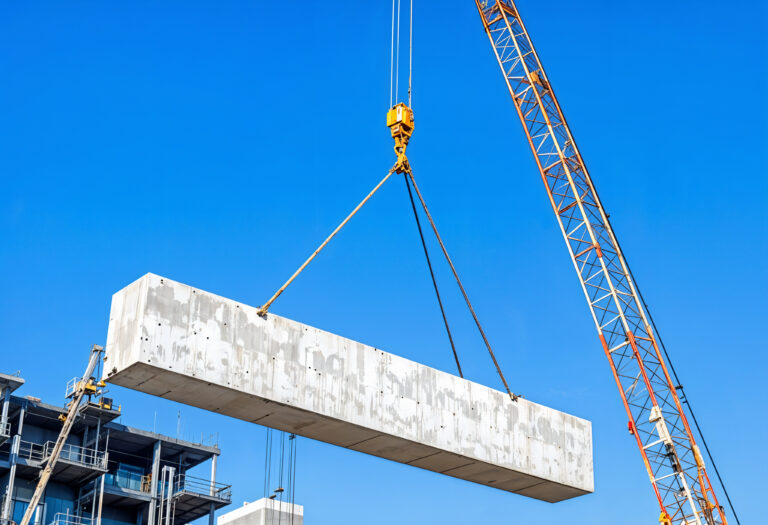
Long before a crane hoists a chiller from a loading area to a rooftop, the rigging crew has already worked through most of the decisions that will determine how the lift goes.
The checklist is extensive: Crane configuration, ground conditions, load weight, attachment points, sling geometry, travel path, personnel assignments and communications all need to agree with the written crane lift plan before the operator takes the controls.
From outside the work area, the crane may appear idle, but around the machine, assembly and inspection are underway already and often close to components that have not reached their final configuration.
Fatality data cited by OSHA while developing its construction crane rule found that workers crushed during assembly and disassembly accounted for 21% of deaths during hoisting activities. A disciplined crew treats setup as active crane work, with clear authority, repeated checks and a process for stopping whenever conditions no longer match the plan.
Assembly carries concentrated risk
Crane assembly and disassembly bring several hazards into the same work area. Components must be supported, counterweights moved, outriggers extended and pins installed or removed, while each change can alter the machine’s stability. Ground support, blocking, clearances and work sequence all matter.
OSHA’s assembly and disassembly requirements assign direction of the process to an assembly/disassembly director who understands the applicable procedure and meets the agency’s competency and qualification criteria, alone or with qualified assistance. The director must ensure that crew members understand their tasks, related hazards and positions to avoid before work begins.
Within that structure, the operator has the final say over the machine and the sequence used to prepare it. Procedures and checks vary by crane and configuration, so clear authority prevents workers from acting on separate assumptions about what should happen next.
Cross-training closes blind spots
Operators, riggers and signal persons approach the operation from different positions: The operator concentrates on configuration, capacity and machine response, while riggers focus on the load, attachment points, sling angles, travel path and landing area. Each discipline sees details that may be less apparent to the others.
Cross-training lets a rigger recognize a pin, counterweight or outrigger condition that conflicts with the current assembly stage, while an operator with rigging knowledge may question an attachment point or load-control method before tension is applied. Signal persons occupy another point of overlap because their commands connect the crew’s intentions to the machine’s movement.
OSHA’s signal-person requirements reflect the breadth of knowledge involved. Qualification covers the signals in use along with crane operations and limitations, including swinging and stopping loads and boom deflection caused by hoisting. A correct command depends on knowing how the crane and load will respond.
Cross-training gives qualified crew members enough understanding to recognize a discrepancy and support the operator and assembly/disassembly director without presuming someone else has already checked it.
One pin changes the setup
A hypothetical near-miss situation helps illustrate why verification must continue until assembly is complete. On a weekend job, a crew assembles a crane and installs its counterweights. The operator walks around the machine as part of his standard checks, confirming which pins were installed and which needed to remain out.
After the inspection, another person returns to the crane and reinserts a pin that was supposed to stay out. The operator is not aware the configuration had changed, and when the crew attempts to lift the counterweights, they remain pinned to the deck. Applying power produces an unexpected and hazardous reaction from the equipment, even when the operation stops before anyone was injured.
Nothing was wrong with the earlier inspection; the problem was that its findings no longer described the machine. Any adjustment made after a check, even a well-intended correction, can invalidate the verified configuration and leave the operator working with information that was accurate only minutes earlier.
A final walkaround immediately before the operator enters the cab provides one more chance to catch such a change. The operator and designated crew members can confirm the position of pins and counterweights, the condition of outriggers and blocking, clearances around the machine and the removal of tools and personnel from the work area.
The lesson? Although earlier inspections remain necessary, their results cannot simply be carried forward after assembly work continues.
Three documents must describe the same job
Pre-lift documentation gives everyone involved a common description of the work. Names and formats vary, but the core set generally includes a crane lift plan, an Activity Hazard Analysis, and a Method of Procedure.
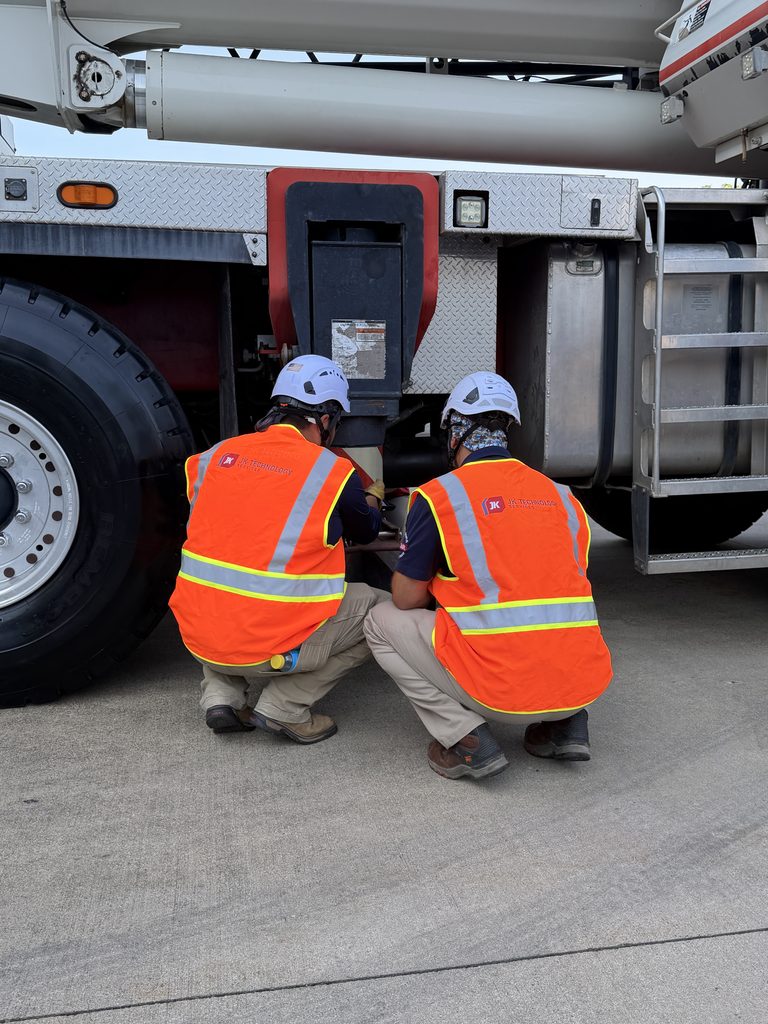
The lift plan connects the selected crane and its configuration to the load weight, operating radius, rigging arrangement, pick, and set points and intended travel path. Its detail should reflect the lift’s complexity and risk.
The Activity Hazard Analysis, or AHA, breaks the work into steps, identifies associated hazards and records the controls the crew will use. The Method of Procedure, or MOP, establishes the sequence, responsibilities, coordination points and approvals; at an operating facility, it may also connect the lift to shutdowns, access restrictions and other trades.
A rooftop equipment repositioning job may involve only a short move, but the documents still must account for roof access, limited sight lines, nearby structures, operating building systems and personnel below. Familiarity with the site or equipment does not eliminate the need for everyone to work from the same plan.
During the pre-lift review, everyone involved should compare the documents with the expected work and settle who will signal, who may stop the operation, where personnel will stand, which route the load will follow and how the crew will respond to changed conditions. Signatures have value only after the people signing have reached the same understanding.
When conditions change, work stops
Conditions can differ from the approved plan after mobilization. For example, the crane or rigging may not match the submittal, an attachment point may be unavailable or an obstruction may remain in the load path. Treating those differences as routine field adjustments bypasses the planning and approvals that made the lift acceptable.
A stand-down gives the crew a controlled response. Work pauses, people and equipment are secured, and the responsible parties resolve the discrepancy. The crane lift plan, AHA or MOP is revised when necessary, redistributed and approved before operations resume.
The pause prevents an informal instruction from replacing engineering, hazard analysis and customer coordination without the knowledge of everyone affected. A short schedule delay is easier to manage than the consequences of proceeding with incompatible equipment or an approach the operator and crew have not reviewed.
General contractors, facility teams and procurement groups can assess a rigging provider by looking closely at these handoffs. They should know who directs assembly, how the operator’s authority is established, whether riggers and signal persons understand the machine well enough to identify conflicts, when the final walkaround occurs and how revised documents reach everyone involved.
The crane should move only after the machine, load, rigging, documents and people all describe the same job; until then, the most professional decision a crew can make is to leave the load exactly where it is.