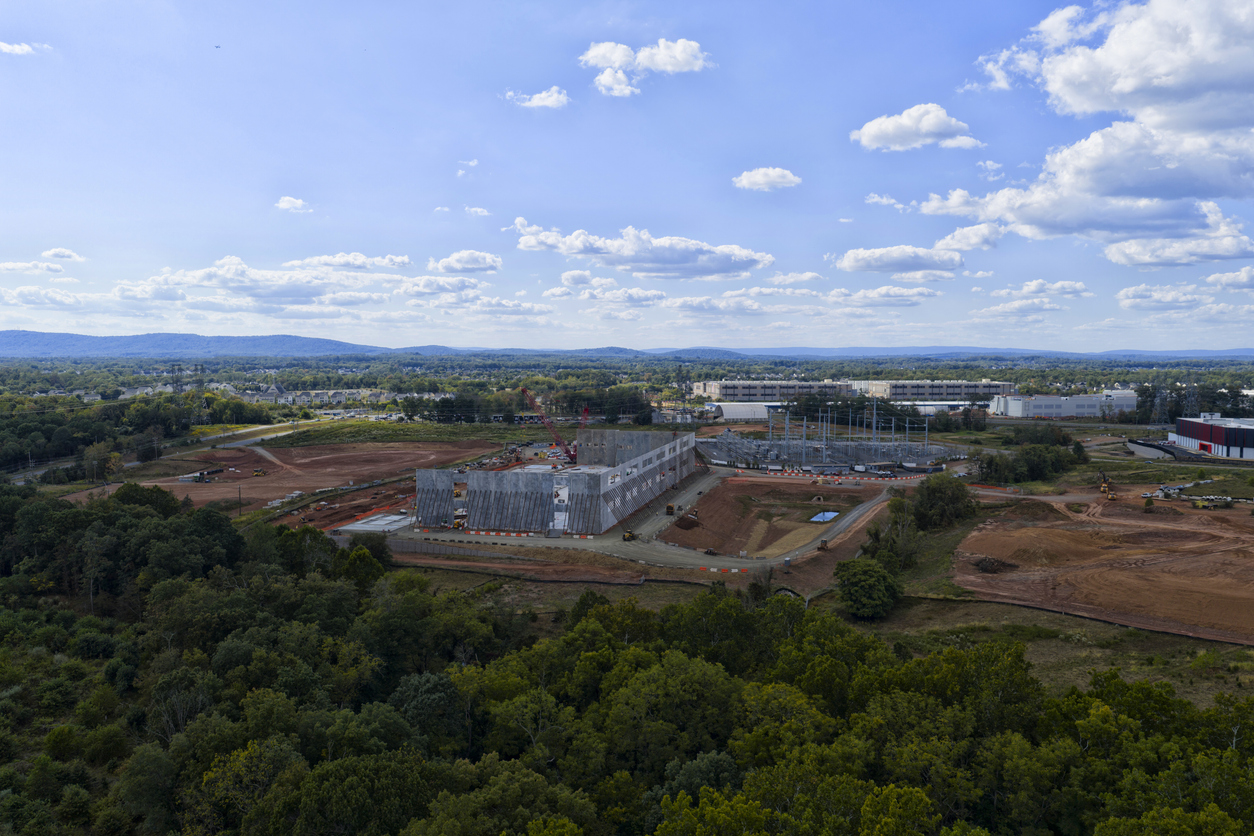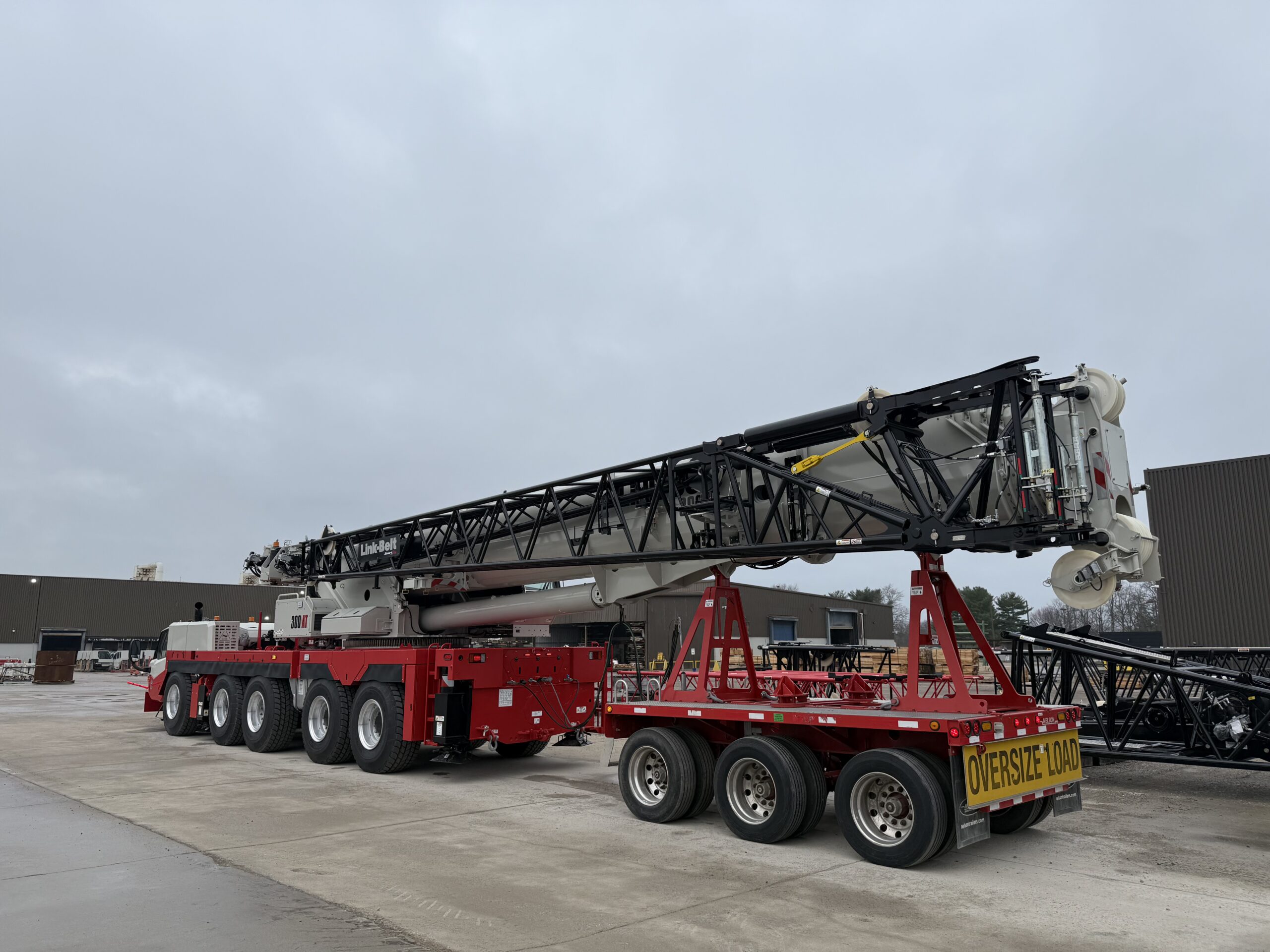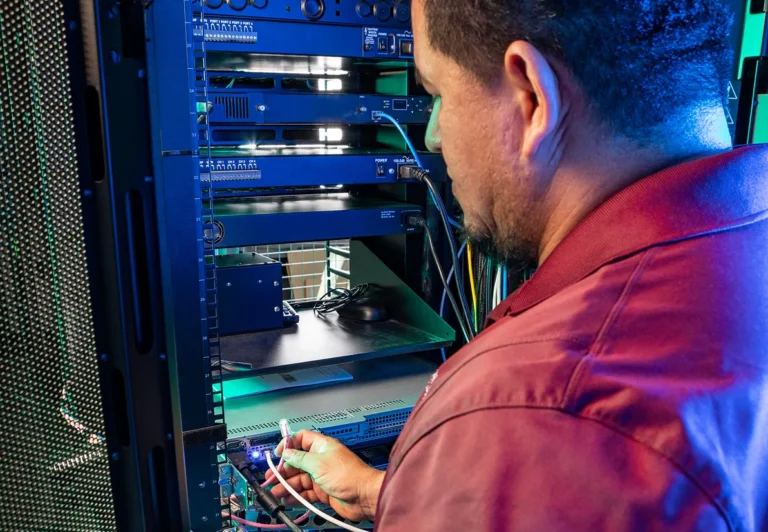
Scaling a data center isn’t just a hardware problem; it’s a logistics problem. Every new deployment, relocation, or decommissioning project touches dozens of moving parts, and the coordination between them is often what determines whether a data center and critical environment logistics project stays on schedule or turns into an outage.
The moving parts
A typical infrastructure-scaling project spans several distinct disciplines that have to work in sync:
- Network and cable management: physical layer work that underpins everything else
- Staff augmentation: brining in trained hands for time-baxed phases of a project
- Receiving, storage, and deployment of OEM equipment: getting hardware from the dock to the rack without damage or delay
- Critical environment management: protecting live systems while work takes place
- Site analysis and readiness: confirming power, cooling, and space can support what’s coming
- Hardware lifecycle support: from initial deployment through eventual refresh
- System integration: making new equipment actually talk to existing infrastructure
- Secure supply chain management: maintaining chain of custody for sensitive equipment in transit
- Sustainable decommissioning and recycling: retiring assets responsibility, including data destruction
Any of these can become a bottleneck if not planned alongside the others.
Why downtime and risk are the real constraints
Most of the operational risk in these projects isn’t technical – it’s coordination risk. Moving or servicing mission-critical assets means working around live systems, tight maintenance windows, and equipment that can’t tolerate mishandling.
Here’s what the organizations that get this right do:
- Chain of custody documented at every handoff.
- Vendors and internal teams working from the same schedule and communicating throughout the project.
- Project plans that account for the client’s actual operating constraints rather than a generic timeline.
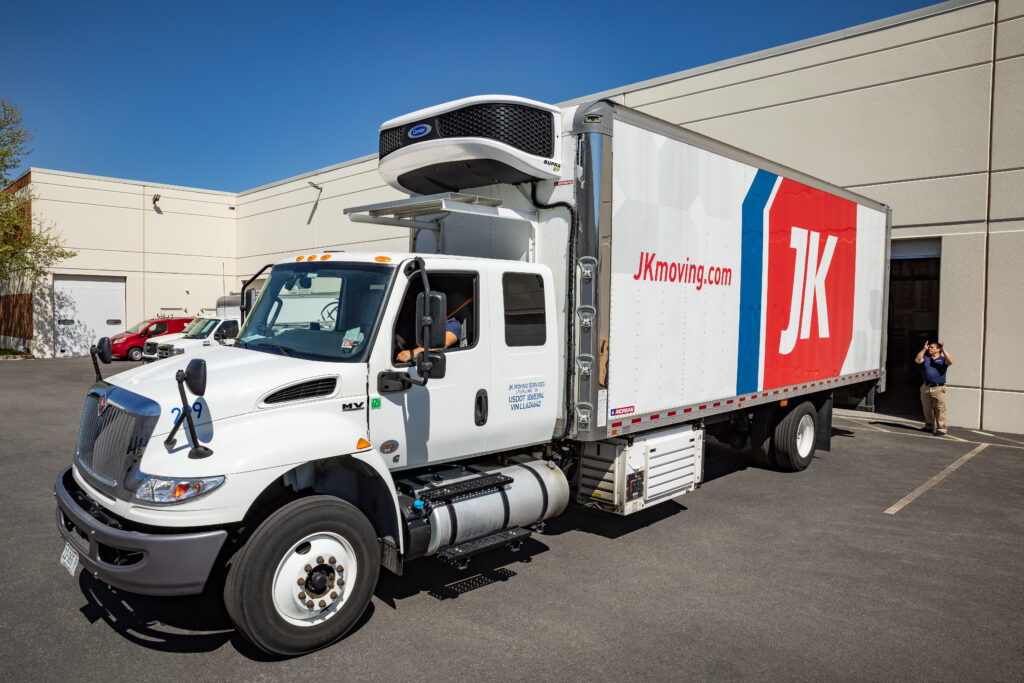
Regions with dense data center concentration (Loudoun County, Virginia’s “Data Center Alley” is one example) have developed specialized logistics capacity around this work: crews trained specifically for critical-environment relocations and equipment built for the job, like climate-controlled transport with backup power to keep sensitive gear within tolerance in transit.
The takeaway
Scaling infrastructure well is less about any single vendor or product and more about whether the logistics behind the scenes (staffing, transport, sequencing, security, and disposal) are managed with the same rigor as the technical build-out itself. Projects that treat those logistics as an afterthought are the ones most likely to see downtime they didn’t plan for.