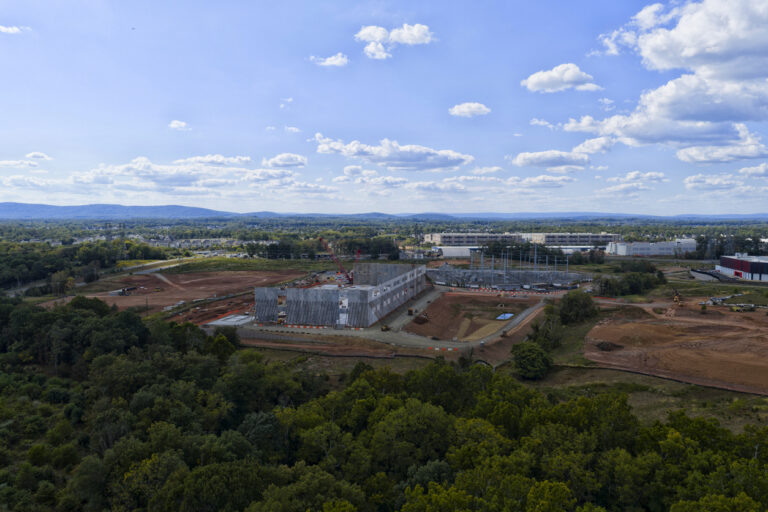
Northern Virginia is synonymous with data centers, and it still holds the largest share of installed capacity in North America. But 2026 is the year the map started to shift. According to CBRE’s North America Data Center Trends H1 2026 report, total under-construction capacity across the continent’s primary markets hit a record 7,481 MW in the first half of the year – up 24.8% from the previous six months, with more than 80% of that space already preleased before it’s even built. Total supply across those primary markets grew even faster, up 33.7% year over year, to a record 10,903 MW, as demand from AI and hyperscale computing continues to outpace what developers can bring online.
Atlanta overtakes Northern Virginia in new construction
The biggest story in that report: Atlanta, not Northern Virginia, is now North America’s most active data center construction market. CBRE recorded nearly 2,900 MW under construction there, up 52.3% year over year, enough to overtake Loudoun County’s Data Center Alley for the first time. Northern Virginia still holds the largest total inventory by a wide margin, and data centers are projected to contribute nearly half of Loudoun County’s local property tax revenue in 2026, but land, power, and permitting constraints are pushing new construction elsewhere.
Dallas-Fort Worth and Texas are pulling ahead on investment
Texas has become the growth story to watch. Dallas-Fort Worth’s data center inventory grew 43.7% year over year, making it North America’s third-largest market, and CBRE’s 2026 Investor Intentions Survey found it’s now the single most attractive market for data center investors, narrowly edging out Northern Virginia. Combined with West Texas’s rapidly expanding pipeline, the state now holds more existing and under-construction capacity than any other in the country, according to JLL.
Frontier markets are growing faster than the hubs
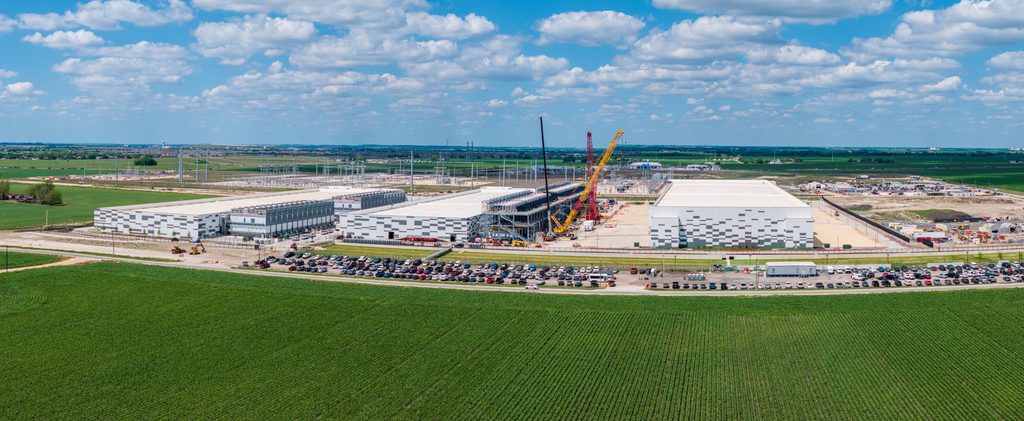
Beyond the established hubs, a wave of “frontier” markets (places like Reno, Nevada, and Abilene, Texas) are seeing development pipelines that could outpace even the primary markets in the years ahead. JLL now counts more than three-quarters of North America’s under-construction pipeline outside the traditional hubs entirely, reflecting how AI workloads and power availability are reshaping where new capacity gets built. Secondary and tertiary markets are attractive for a simple reason: land and power are both easier to secure there than in markets where primary-market vacancy has fallen to a record low.
What this data center growth means for IT and infrastructure planning
For organizations planning a build-out, expansion, or relocation, this growth cuts both ways. Record-low vacancy (1.4% in H1 2026, per CBRE) means available space is harder to find, but it also means more organizations are standing up capacity in markets that barely had a presence a few years ago, often without the established logistics workforce that Northern Virginia built over decades.
JK Technology Services felt that shift directly: the company acquired 360 Rigging in August 2026 specifically to expand its crane and rigging capabilities as demand for data center and technology infrastructure clients continues to grow. Whether you’re scaling an existing facility or standing up a new one in an emerging market, our guide to scaling data center infrastructure and data center relocation guide cover what it takes to plan a move with this much industry momentum behind it.