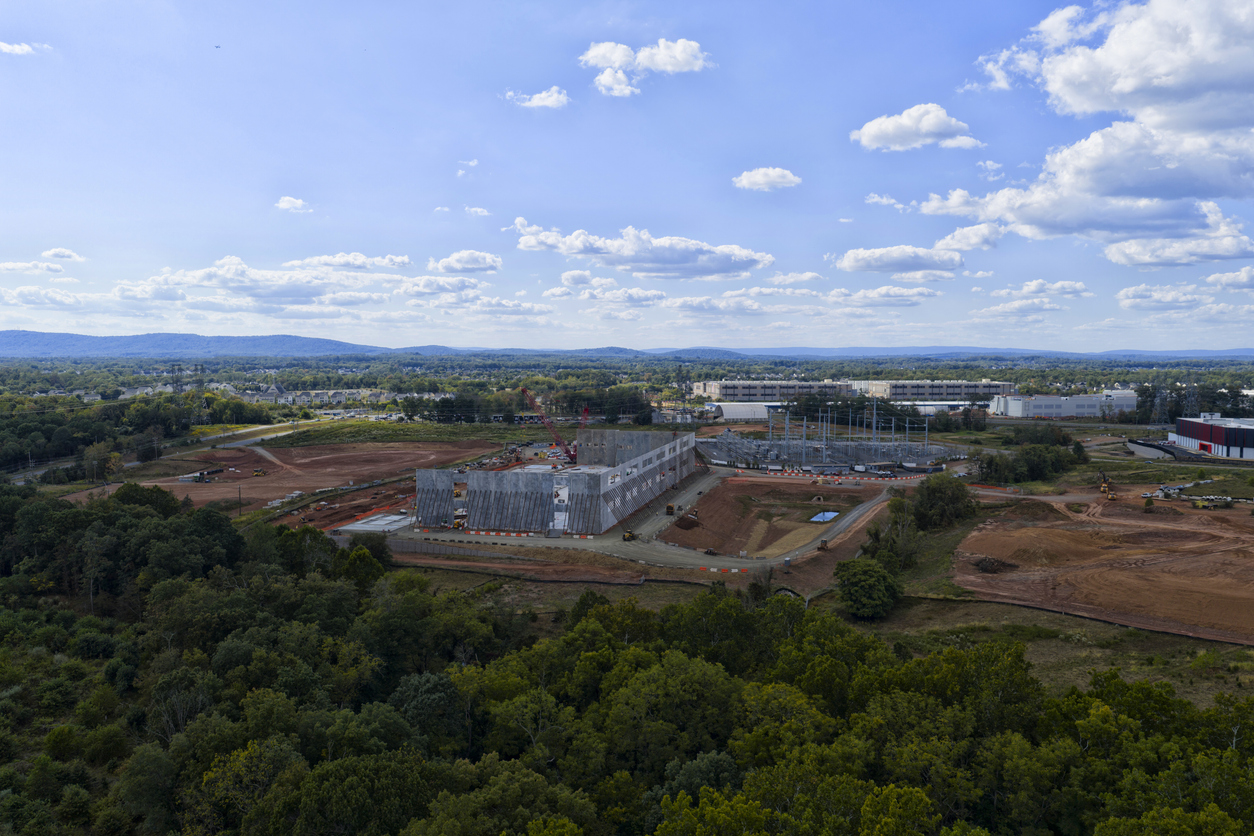
The materials for the whole job showed up on Tuesday. Phase one doesn’t start until next month. Phase two is six weeks later. The site can’t take everything at once, but delivery hasn’t stopped for the construction schedule.
Sound familiar?
It’s a common problem on large industrial projects, where long-lead equipment often arrives months before installation. At that point, the challenge stops being a storage problem and becomes a coordination problem.
Someone must manage what belongs to each phase, when it moves, and how it reaches the site without creating congestion or delays. Warehousing is only part of the equation. The real issue is whether anyone is managing the sequence.
Phased delivery works only when the sequence is controlled
The challenge with phased delivery is rarely the concept itself, but the execution.
Without a clear release plan, deliveries arrive out of sequence, installation areas become staging zones, and field teams lose time moving or re-handling material that should not be there yet: A clean site results from controlled sequencing.
Well-managed phased delivery starts before material reaches the project. Equipment is received off-site, inventoried, organized by phase, and staged around the construction schedule.
That only works if the warehouse team understands the project schedule, not just the inventory list. Those managing the material need visibility into active phases, installation timelines, and critical path work.
When the sequence is managed correctly, material moves through the project instead of piling up around it.
Storage is only one piece of the workflow
The difference between a basic storage provider and a controlled-execution partner is project awareness.
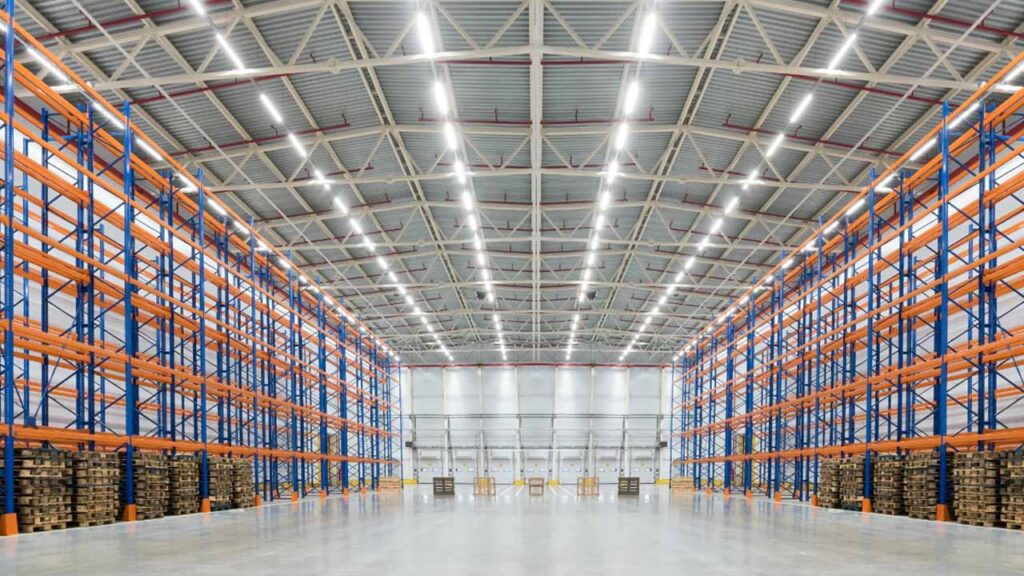
On phased projects, fulfillment and distribution involve more than storing material. Equipment must be received, inventoried, organized by phase, prepared for release, and delivered when crews are ready to install it.
Meanwhile, contractors increasingly use warehouse space to cut and prep cable, palletize assemblies, stage kits, perform QA/QC checks, and organize material by installation sequence. Instead of sorting deliveries in the field, crews receive assemblies prepared for the next phase of work.
Skilled labor is already in short supply; pulling field crews off installation work to reorganize deliveries or prep material inside a crowded laydown area adds unnecessary schedule pressure.
Offsite preparation also reduces re-handling, one of the biggest hidden inefficiencies on congested projects. Every time equipment gets unloaded, moved, or reorganized, the project absorbs additional labor, handling, and risk.
For sensitive equipment, improper storage can create much larger downstream problems. Electrical equipment often requires climate-appropriate storage to avoid moisture damage or corrosion.
If critical equipment is damaged and replacement lead times stretch months or longer, the schedule impact can quickly become severe: Sequencing, handling, and project management must work together.
Seams between are vendors where delays start
Large projects already involve coordination between general contractors, subcontractors, suppliers, and field teams. Additional handoffs create opportunities for confusion, delays, or missed timing.
That risk increases when warehousing, transportation, fulfillment, and release coordination are split across multiple vendors. One company receives the equipment, another stores it, and another handles transportation, leaving the project team responsible for coordinating schedules, tracking inventory, confirming release timing, and keeping everyone aligned.
Delays rarely start inside the warehouse itself. They develop in the seams between phases, vendors, and responsibilities.
Keeping fulfillment, staging, transportation, and release management under one accountable process closes many of those seams. The same team receiving the material understands the phase schedule, coordinates transportation, and tracks material from intake through delivery.
For project managers, fewer seams mean fewer surprises.
Transportation as part of the phase plan
Phased delivery only works if transportation stays aligned with the sequence.
The warehouse may have every phase staged correctly, but if transportation timing breaks down, the schedule still suffers. Deliveries arrive too early, too late, or incomplete. Crews wait on equipment that should already be on-site, while active work areas turn back into temporary staging zones.
On phased projects, transportation cannot operate as a disconnected service reacting to delivery requests one day at a time. Delivery timing, truck scheduling, site access, unloading coordination, and sequencing all need to align with the construction timeline.
The goal is to make sure each phase arrives ready for installation, without forcing the site to absorb unnecessary material or disruption.
Sequencing Keeps the Project Moving
Offsite warehousing solves the space problem. Sequencing solves the schedule problem.
Large construction projects rarely fail because material exists. They run into trouble when the wrong material arrives at the wrong time, or when crews spend valuable hours waiting, sorting, or re-handling deliveries instead of installing them.
Controlled, phased delivery keeps projects moving by integrating fulfillment, transportation, and project management into a single, coordinated process.
But once material is spread across warehouses, laydown yards, trailers, racks, and active phases, another challenge starts to emerge – visibility.
Eventually, every project reaches the same question: Where exactly is everything now? That’s the focus of the final post.