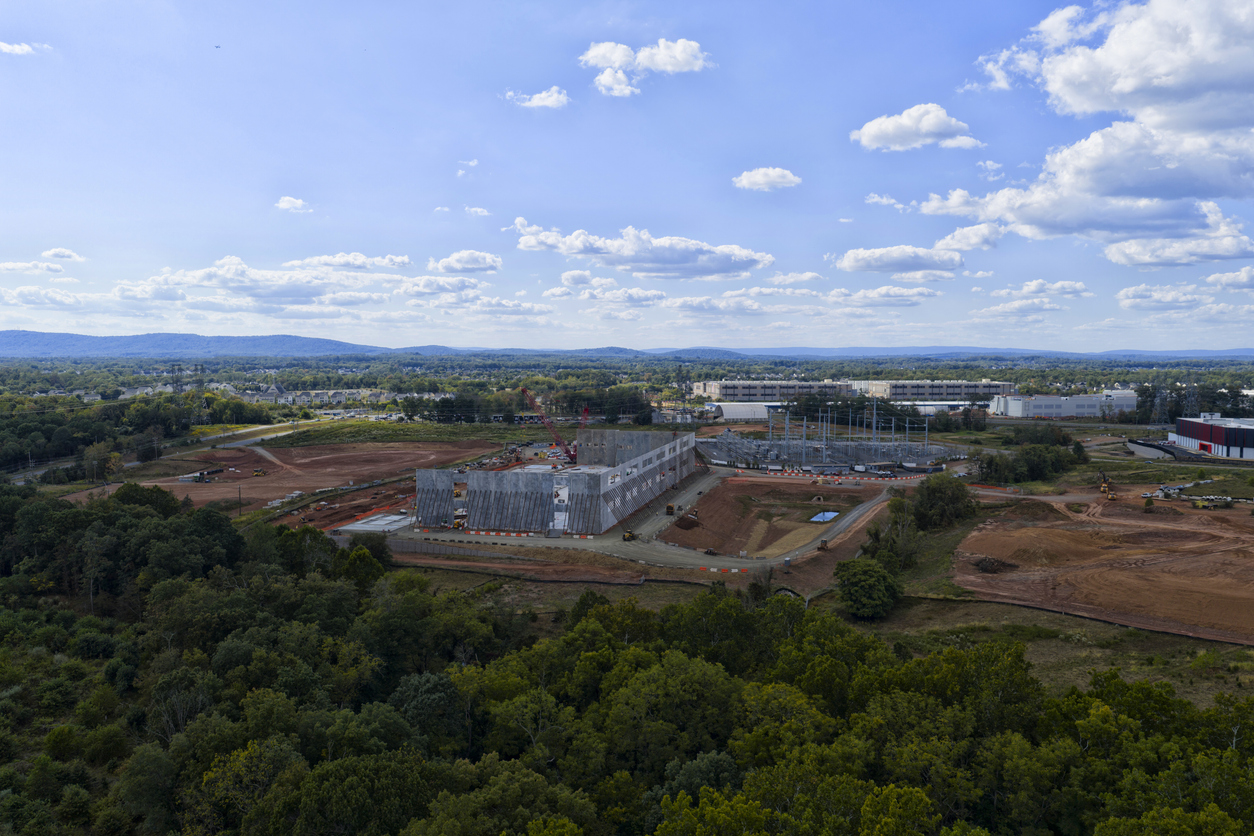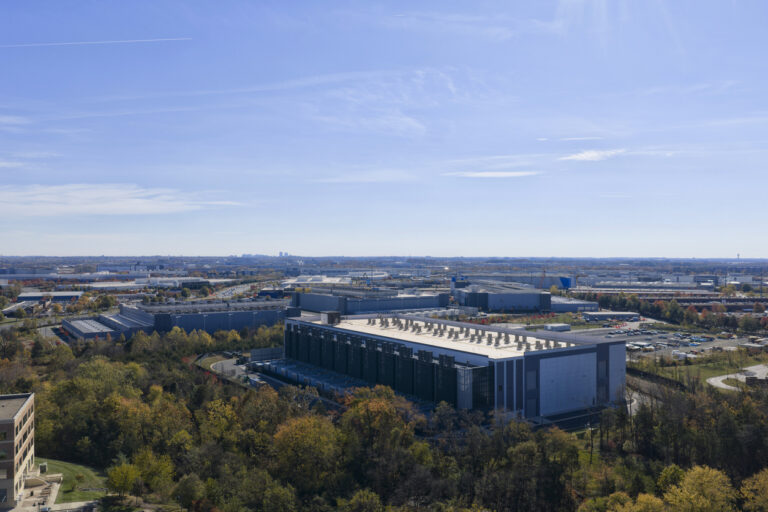
Data centers are transforming local economies across the country – bringing jobs, tax revenue, and next-generation infrastructure to the towns and counties that host them. But as construction accelerates, so does public scrutiny. Communities are asking sharper questions about water use, power demand, land use, and what long-term value they’ll actually see in return for hosting a data center in their backyard.
The good news is that a growing number of operators are treating community partnership not as a public-relations afterthought, but as a core part of how they plan, build, and operate. The most successful projects are the ones where the company shows up early, listens, and invests in what the community actually needs, not just what the company wants to be seen doing.
Tax revenue alone isn’t the whole story
For years, the primary pitch to host communities was simple: data centers bring substantial tax revenue. That’s still true, but it’s no longer sufficient on its own. As one recent analysis put it, tax revenue is a primary driver for localities approving data center deals – but the potential of that revenue is only realized once the business is up and running, leaving a gap during construction and ramp-up when community concerns are often greatest. That gap is exactly where proactive investment matters most.
Investing in education and workforce development
One way operators are building trust in the community is by investing in education. Instead of treating a new facility as an isolated worksite, companies work with local schools, community colleges, and universities to build talent pipelines that benefit the region for years to come.

Microsoft’s Data Center Academy scholarship program with Maricopa Community Colleges in Phoenix is one example, and Virginia has seen similar collaborations emerge with George Mason University, Virginia Tech, and Northern Virginia Community College. According to industry research, these educational programs not only create career pathways but also help demystify data centers for community members, which matters just as much as the jobs themselves. Data4, a European operator, has set a goal of training 100 students on each of its campuses annually, showing that workforce investment can scale alongside the facility itself.
At a recent Missouri campus, Amazon funded hands-on training centers, donated equipment, and helped develop faculty and curriculum, with the explicit goal of handing the programs off to local schools to run on their own.
Meeting needs beyond the fence line
Good community partnership also means asking what a specific community needs; and it’s rarely the same answer twice. In one recent Missouri project, new commitments include funding for emergency services, a water stewardship project, and a new community gathering space, as well as road and water infrastructure upgrades directly tied to the development. Elsewhere, operators have committed to multi-million-dollar watershed funds addressing a resource concern specific to that region’s climate and geography.
The common thread across the most credible partnerships: developers collaborate with school districts, community colleges, workforce agencies, and veterans’ organizations to design training and employment opportunities, and partner with nonprofits to meet broader community needs like support for veterans, local events, and philanthropic programs. The investment fits the community’s actual priorities.
Green space isn’t just landscaping – it’s a statement
How a data center looks and feels from the outside matters more than the industry once assumed. Facilities are increasingly designed with the surrounding neighborhood in mind, not just the equipment inside. Architects note that data centers are no longer judged only by power density, resilience, and network connectivity. Increasingly, they are evaluated by how they look and how well they fit into their communities, which has pushed operators toward more aesthetically pleasing facades, robust landscaping, and site plans that respect the character of the area.
That can mean woodland buffers, walking trails, and native plantings that double as environmental assets, or stormwater systems designed as attractive landscape features rather than purely functional drainage. In some cases, community groups are partnering directly with operators to turn the perimeter of a high-security site into something publicly useful. One recent proposal envisioned a publicly visible green buffer with pollinator habitat, native plants, and interpretive signage along a data center’s edge, turning unused land into a shared community resource.
The bottom line
Communities are gaining more leverage (and more voice) in decisions about data center development, and that’s a healthy shift. The operators earning long-term support are the ones who treat community investment as a core strategy: funding education and workforce pipelines, addressing the region’s specific infrastructure or environmental needs, and designing facilities that enhance the neighborhood rather than simply occupying it.
For companies managing the complex logistics of data center construction and relocation, that same principle of disciplined, thoughtful execution applies. Learn more about how JK Technology Services approaches mission-critical data center projects with the planning and precision these communities (and these facilities) deserve, or read more about our approach to the data center industry on our site.