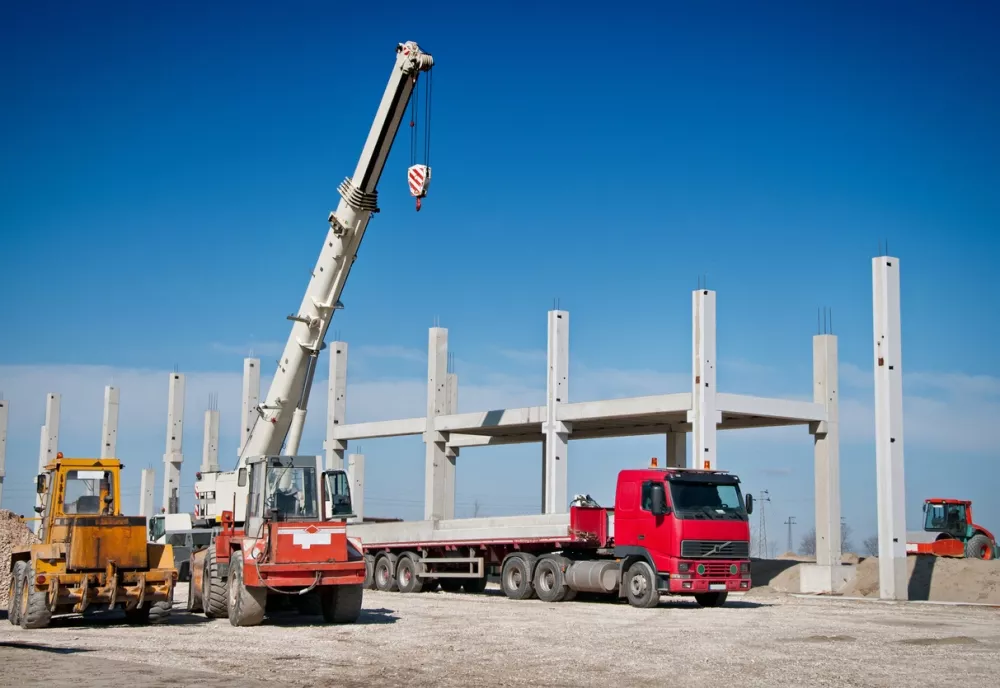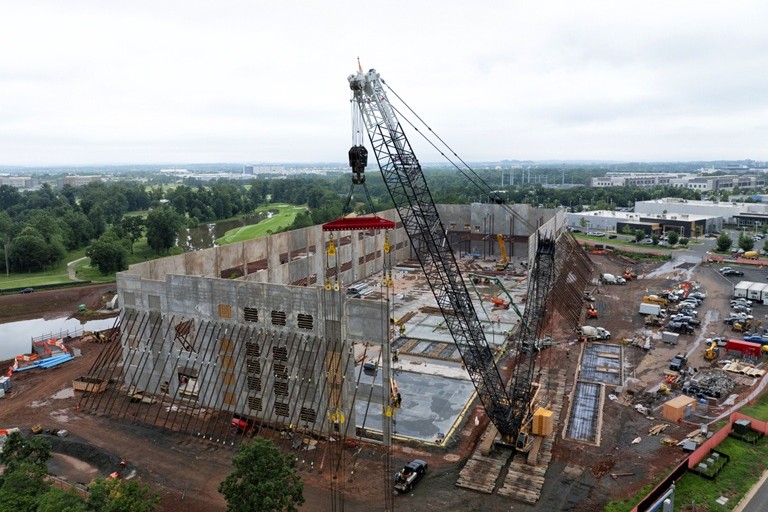
Every trade on the construction site needs the same thing: space for its materials. And almost nobody has enough of it.
The problem isn’t new, but it has become harder to manage on large-scale industrial and mission-critical projects, where schedules are compressed, components are larger, and deliveries often arrive long before the site is ready to receive them.
Electrical contractors need room for cable, racking, switchgear, and prefabricated assemblies, and mechanical contractors need space for equipment, ductwork, and piping. Meanwhile, general contractors need access, circulation, and safe working conditions, and specialty contractors need their own staging areas.
When that space runs out, the effects show up quickly: cluttered laydown areas, blocked access, re-handling, misplaced material, damaged equipment, and field crews spending time working around stored material instead of installing what is needed next.
Construction site congestion is a schedule problem
Material doesn’t always arrive when the project needs it, often arriving when the manufacturer, distributor or freight carrier can ship it.
That mismatch is one of the main reasons job sites become congested. A project may need one phase of equipment today, but receive material for phases two, three, and four at the same time. Without a plan for where that material goes, the site becomes the warehouse by default.
That creates risk: Crews lose time moving equipment more than once, deliveries stack up in areas needed for active work, and sensitive components sit in unsuitable conditions.
Offsite staging changes that dynamic. Instead of forcing the job site to absorb every delivery, materials can be received, stored, organized, and released when the site is ready. The site gets what it needs for the next phase, not everything the supplier has shipped.
Offsite staging should be planned, not reactive
A laydown strategy works best when it is built into the project plan early.
Too often, off-site storage becomes a scramble after the construction site is already congested. By then, teams are solving a space problem under schedule pressure. A better approach treats offsite warehousing and laydown as part of the logistics plan from the beginning.
That allows contractors to receive materials off-site, inspect and inventory them, stage them by phase, and prepare them for delivery before field crews are ready. On some projects, that may include only basic storage. On others, it may include inventory control, QA/QC support, cable cutting, palletizing, kit preparation, or other work that reduces the burden on field teams.
This matters because labor is already tight. Skilled workers are more valuable on the job site than in a crowded staging area, sorting, cutting, or repackaging material that could have been prepared earlier. When material arrives ready for installation, crews can stay focused on field execution.
Indoor storage and outdoor laydown both matter
Not every material belongs in the same environment – sensitive electrical equipment may require covered or climate-appropriate storage to protect it from moisture, corrosion, and damage. You can run into serious downstream problems if they are stored improperly. A damaged or compromised piece of equipment can be difficult to replace, and long lead times can jeopardize the schedule.

Other materials do not fit neatly inside a conventional warehouse. Large industrial components, heavy equipment, oversized assemblies, and materials staged for near-term movement may require outdoor laydown, with appropriate handling processes and controls.
The choice is not between indoor and outdoor, but between matching the storage method to the material.
A strong logistics plan accounts for size, sensitivity, handling requirements, access needs, and delivery timing, where heavy equipment is given room to move safely and sensitive equipment is given the right protection.
Transportation connects warehouse to schedule
Offsite storage only works if the material moves back to the construction site when the site is ready.
That makes transportation part of the same logistics problem, not a separate service to coordinate later. If one provider stores the material and another handles delivery, the contractor has another handoff to manage. Another schedule to confirm. Another meeting. Another place for the plan to break.
Keeping storage and transportation connected smooths out that coordination seam. The contractor can request the material, confirm the delivery date, and move it from storage to the site through a single process. It doesn’t eliminate the need for communication, but it removes unnecessary friction between where the material is and where it needs to be.
For contractors managing tight schedules, that difference matters. The job site doesn’t need more vendors to coordinate it needs fewer gaps between decisions and execution.
Moving material is just the beginning
A congested site slows everyone down and hides problems until they become expensive.
Offsite warehousing and laydown allow contractors to separate material management from active installation. Done well, the site receives the right material at the right time, field crews work more efficiently, and project managers gain more control over what arrives and when.
But getting material off the site is only the first step. Once equipment is staged away from the work area, the next question becomes just as important: Who is managing the sequence?
That’s where storage turns into strategy – and where the next phase of the logistics plan begins.
In the next post, we’ll look at what happens after the material is staged – and why sequencing becomes the next critical control point.